808 articles
Our in-house team synthesizes scientific research and translates them into easy-to-digest content for you to get educated on the latest health and healthcare information.
Health insurance continues to be an expensive undertaking in the U.S. for people who don’t get coverage from their employers. Finding an affordable option can be very difficult as even plan premiums after government tax credits can be hundreds of dollars per month for a family. Health insurance alternatives can be a good option for people who need affordable access to basic healthcare.
By Ashley Brooks
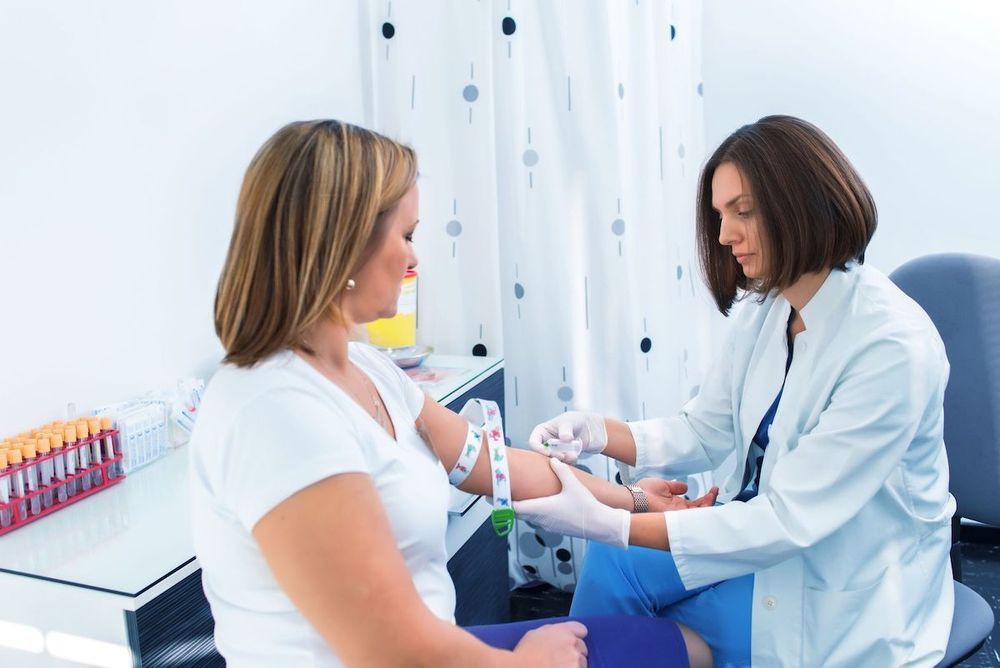
The average cost of bloodwork without insurance is $432, but the price can range from $50 to upwards of $1,000 depending on what tests are performed. There are several ways to lower the cost of bloodwork, such as going to community health clinics or ordering at-home lab tests.
By Jacqueline Slobin
Telemedicine is a means of practicing medicine by using technology, allowing patients to receive care without leaving their homes. Telemedicine is oftentimes used for basic care like dermatology, psychotherapy, colds, flu, sore throats, and more. The cost of telemedicine is often more affordable than traditional care but not all illnesses can be diagnosed remotely.
By Alyssa Corso
A freelancer does business on their own and often does not work for one sole company. While you may enjoy setting your own flexibility and work-life balance, you are responsible for finding your own health insurance, and your choices are limited. Knowing your options and your needs will help you find a plan tailored to you and your family, without breaking the bank.
By Ashley Brooks
Catastrophic health insurance protects you financially in case of an unexpected major injury or illness. It is a basic, inexpensive health insurance plan option with a low monthly premium and a high deductible. To purchase these plans you must be under 30 years old or qualify for a hardship exemption, proving you can’t afford regular health insurance.
By Alexis Bryan
Small businesses (less than 50 full-time employees) are not required to provide health insurance under the law. However, employees may view this as a competitive advantage when looking for employment. Many employers are starting to offer alternatives to health insurance to attract top talent, especially as hiring continues to get more and more competitive.
By Gavin Oxley
Small businesses with less than 50 employees are not required to offer health insurance, but providing some type of health coverage to employees can help you get and keep quality employees. The 5 best health insurance options for small business owners are small group health insurance, Qualified Small Employer Health Reimbursement Account (QSEHRA), Individual Coverage Health Reimbursement Accounts (ICHRA), Small Business Health Options Program (SHOP), and Health Insurance Alternatives.
By Alexis Bryan
Short-term medical insurance is typically a coverage option that is used for basic health needs for six months or less due to an unexpected event, such as job loss. Short-term medical coverage can vary based on the plan from only including basic emergency care, to full coverage under more expensive programs.
By Gavin Oxley
Houston, TX, June 21, 2021 -- CareNow and Mira have established a partnership that will enable Mira members to access high-quality, convenient, and affordable healthcare at CareNow’s 18 locations across Houston and surrounding communities.
By Jeff White
Enrolling in a health insurance plan is a way to stay healthy and protect yourself from catastrophic medical bills. As the cost of traditional health insurance rises, it becomes unaffordable for many people. As a result, people often go uninsured and have to pay full price for health care or not seek the care they need.
By Alexis Bryan
$80-$280 average at an urgent care clinic. $125-$200+ on average at the Minute Clinic. Retail clinics like CVS Minute Clinic or Walgreen can treat minor health conditions and are better fit for preventative care. Urgent care clinics are staffed with mid-level providers under a medical doctor supervision and can treat more advanced conditions and minor trauma because of the presence of imaging devices like ultrasound and X-ray machine.
By Mira Research Team
Eliquis, Xarelto, and Warfarin are some of the most popular blood thinner medications. The average retail price for a monthly supply of Eliquis or Xarelto is around $550. Warfarin is a generic medication and has an average cost of $19.
By Alyssa Corso