


GLP-1 is a hormone produced in the gut that helps regulate appetite and blood sugar levels. Medications that mimic GLP-1 (known as GLP-1 receptor agonists) are used to treat obesity and type 2 diabetes. GLP-1 like Semaglutide and Tirzepatide has been shown to reduce reward-seeking behaviors. For many of us, that means becoming indifferent to sweet and fatty foods, leading to significant weight loss. It is possible that the same mechanism behind weight loss can spill over to our sex life.
Animal Study Shows That Ozempic May Reduce Sex Drive
In a study by Vestlund and Jerlhag (2020), the researchers found that when they injected a GLP-1 receptor agonist (a substance that mimics the effects of GLP-1) called exendin-4 into specific areas of the brain in male mice, it reduced their sexual behaviors.
In simple terms, this means that activating GLP-1 (Ozempic, Mounjaro, Wegovy) could affect parts of the brain leading to a decrease in the male mice's interest in sexual activities. The study suggests that GLP-1 might play a role in regulating not just food intake and body weight, but also sexual behavior in males.
But Human Study Says Otherwise
For overweight men: a comprehensive literature review suggests GLP-1 RAs may help improve sex drive in obese men by promoting weight loss, increasing testosterone, and possibly having direct positive effects on the testicles and sperm. There is evidence that GLP-1 receptor agonists (GLP-1 RAs) like liraglutide may positively impact male sex drive and erectile function in obese men with hypogonadism (low testosterone). However, the review did not find a consistent, proven direct effect on libido outside of the influence on weight and hormones
For healthy men: a study with 18 healthy men in the UK suggests that GLP-1 does not appear to directly affect sex drive or reproductive hormones in healthy men. In this study, researchers gave healthy men either GLP-1 or a placebo (an inactive substance) through an IV infusion for several hours. They measured the men's levels of key reproductive hormones, including luteinizing hormone (LH), follicle-stimulating hormone (FSH), and testosterone. The results showed that GLP-1 infusion did not significantly change the levels or pulsatility (natural fluctuations) of these reproductive hormones compared to the placebo.
Our Conclusion: Being In A Caloric Deficit Might Reduce Your Sex Drive
While you might experience low sex drive due to being in a caloric deficit, it is not a direct causation of GLP-1. Research suggests that being in a caloric deficit can impact sexual behavior and function. Here are some specific findings from various studies:
- Decreased libido: A study by Kaplan et al. (1994) found that 27% of women and 19% of men on a very low-calorie diet (800 kcal/day) reported decreased libido during the dieting period.
- Menstrual irregularities: Pirke et al. (1989) found that 39% of women on a very low-calorie diet (420-600 kcal/day) experienced menstrual irregularities, compared to none in the control group.
- Reduced testosterone: Strauss et al. (1985) observed that men on a low-calorie diet (1,200 kcal/day) for 8 weeks experienced a 30% reduction in total testosterone levels.
- Decreased sexual desire and arousal: In a study by Kalaitzidou et al. (2019), women following a low-calorie diet (1,200-1,500 kcal/day) for 16 weeks reported significant decreases in sexual desire (17.1%), sexual arousal (16.2%), and overall sexual function (13.5%) compared to baseline.
4 Ways To Maintain Sex Drive While Losing Weight
It's important to note that the effects experienced while in a caloric deficit are often temporary and can be reversed when returning to a balanced diet. However, chronic or extreme caloric restriction may lead to persistent sexual dysfunction.
Avoid extreme caloric restriction
Maintain a moderate caloric deficit of about 500-750 calories per day. Extreme caloric restriction (below 1,200 kcal/day for women and 1,500 kcal/day for men) can lead to hormonal imbalances that negatively impact libido. IMPORTANT: this means consuming 500-750 calories LESS per day, it doesn't mean only consuming 500-750 calories per day.
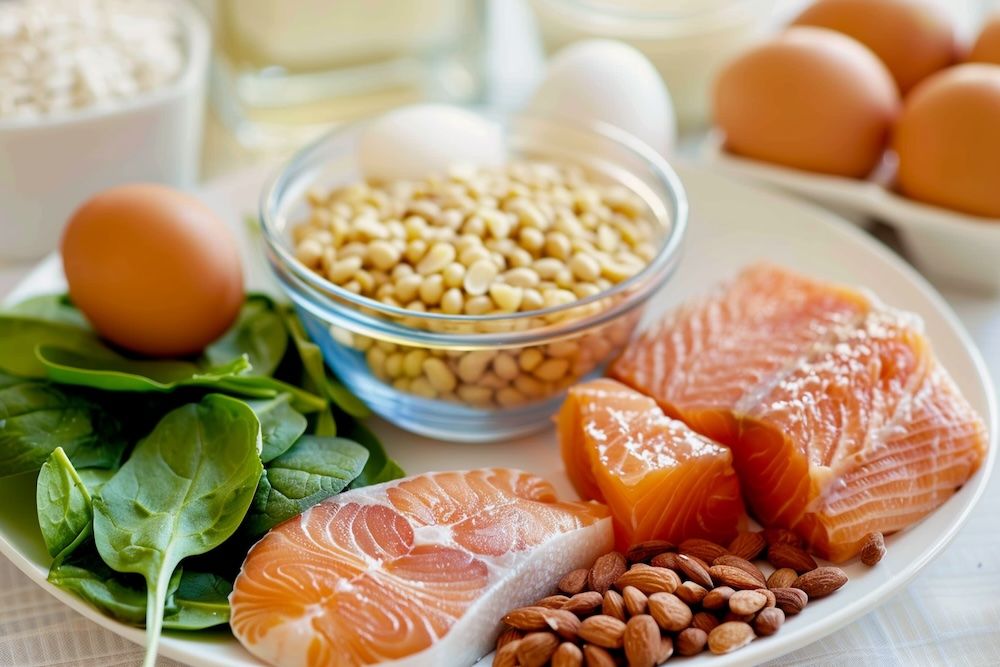
Consume adequate protein & Include healthy fats
Ensure that your diet includes sufficient protein (0.8-1.0 g/kg body weight) to maintain lean body mass and support hormonal balance. Low protein intake has been associated with reduced testosterone levels. Incorporate healthy fats, such as monounsaturated and polyunsaturated fats (e.g., olive oil, nuts, and fatty fish), into your diet. These fats are important for hormonal production and have been linked to improved sexual function.
Manage stress & get enough sleep
Chronic stress can lead to increased cortisol levels, which can suppress sexual desire. Prioritize getting 7-9 hours of quality sleep per night. Sleep deprivation has been linked to reduced testosterone levels and decreased sexual desire.

Communicate openly with your partner
Openly discuss your feelings and concerns about the impact of your caloric deficit on your sexual desire. Maintaining a strong emotional connection and exploring alternative forms of intimacy can help sustain a healthy sexual relationship.

How Else Does GLP-1 Affect Your Mood?
Ozempic does not directly cause personality changes. However, some people may experience mood changes or irritability due to low blood sugar levels, which can be a side effect of the medication or the underlying diabetes condition.
Scientists think that GLP-1 might affect mood and emotions by acting on certain parts of the brain that are involved in stress and emotional control, like the hypothalamus, amygdala, and hippocampus. One study found that after 82 weeks of treatment with a GLP-1 receptor agonist (exenatide), people had better scores on a test that measures how their weight affects their quality of life, self-esteem, and work performance, compared to people treated with another diabetes medicine (insulin glargine).
Another study showed that after 26 weeks of treatment with a different GLP-1 receptor agonist (liraglutide), people had improvements in their mental health and energy levels, compared to people who received a placebo.