For 2024, there are notable updates to the ACA, including recent policy amendments that have eliminated the "subsidies cliff," which previously placed a hard cap on subsidy eligibility. This cap prevented individuals and families with incomes just above 400% of the Federal Poverty Level from receiving any financial assistance, but the latest changes allow for extended aid to those in higher income brackets. Understanding these new income limits and how they will affect health insurance costs is crucial for anyone considering or currently enrolled in an ACA health insurance plan.
In this article, we'll explore the updated income limits for health insurance under the ACA in 2024, how much you have to pay in premiums based on your income bracket, and what happens if your income exceeds the limits for subsidies.
ACA ObamaCare Income Limits in 2024
The Department of Health and Human Services (HHS) typically releases the updated Federal Poverty Level (FPL) guidelines in January of each year. To meet the demands of varying living costs and economic shifts, the income limits related to the FPL are subject to annual adjustments. For the year 2024, individuals and families can be eligible for ACA subsidies if their household incomes range from 100% to 400% of the FPL. Additionally, as a result of the latest policy changes, even those with incomes slightly above the 400% cutoff may still qualify for some level of support.
2024 Federal Poverty Lines Published by HHS
| Household size | 100% FPL | 133% FPL | 150% FPL | 200% FPL | 250% FPL | 300% FPL | 400% FPL |
|---|---|---|---|---|---|---|---|
| 1 | $15,060 | $20,030 | $22,590 | $30,120 | $37,650 | $45,180 | $60,240 |
| 2 | $20,440 | $27,185 | $30,660 | $40,880 | $51,100 | $61,320 | $81,760 |
| 3 | $25,820 | $34,341 | $38,730 | $51,640 | $64,550 | $77,460 | $103,280 |
| 4 | $31,200 | $41,496 | $46,800 | $62,400 | $78,000 | $93,600 | $124,800 |
| 5 | $36,580 | $48,651 | $54,870 | $73,160 | $91,450 | $109,740 | $146,320 |
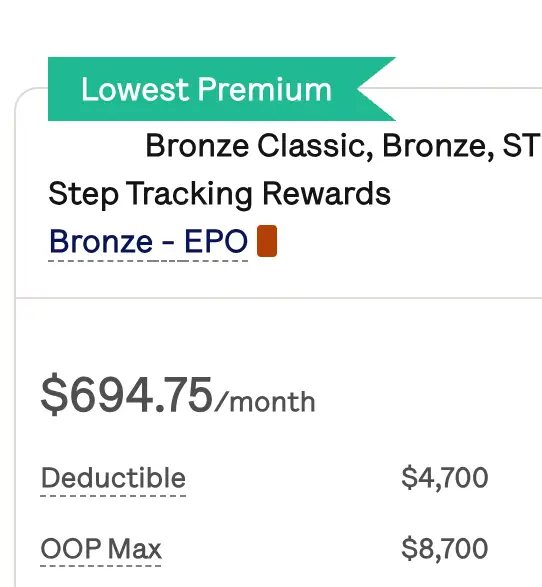
Average ACA Monthly Premiums by Income Bracket
Under the ACA, the amount that people are expected to contribute to their health insurance (their "contribution requirement") is set as a sliding scale, as depicted in the law. This contribution requirement is designed to prevent premiums from consuming a substantial portion of an individual's earnings. The premium contribution caps are established under Section 36B of the Internal Revenue Code, which was created by the ACA. The statute specifies that premium tax credits are available to individuals and families with incomes between 100% and 400% of the Federal Poverty Level (FPL).
For instance, a person whose household income is at 200% FPL is required to contribute less to their premiums than someone at 400% FPL. As your income increases, the amount you're expected to pay before subsidies kick in also increases. For example:
- A single individual making $45,000 year (around 300% of the FPL in 2024) might have a cap at around 6% of their income or around $226 per month.
- A family of four making $124,800 a year (around 400% of the FPL in 2024) might have a cap at about 8.5% of their income or around $884 per month.
An individual or family whose income falls within the outlined percentages would not have to pay more than their capped amount for the benchmark silver plan. If they choose a more expensive plan, they would be responsible for paying the difference in premium costs.
How Much Is ACA Monthly Premium Based On My Income?
2024 Required Contribution for An Adult Individual (Household size = 1)
| % of FPL | Annual Gross Income | Required Contribution | Annual Premiums (Contribution) | Avg. Monthly Premiums |
|---|---|---|---|---|
| 150% or less | $22,590 | 0% | $0 | $0 |
| 200% | $30,120 | 2% | $602 | $50 |
| 250% | $37,650 | 4% | $1,506 | $126 |
| 300% | $45,180 | 6% | $2,711 | $226 |
| 400% | $60,240 | 8.50% | $5,120 | $427 |
| 480% | $72,288 | 8.50% | $6,144 | $512 |
| 576% | $86,746 | 8.50% | $7,373 | $614 |
| 691% | $104,095 | 8.50% | $8,848 | $737 |
| 829% | $124,914 | 8.50% | $10,618 | $885 |
2024 Required Contribution for A Family of 4
| % of Poverty Line | Annual Gross Income | % Income Cap | Annual ACA Premiums | Avg. Monthly Premiums |
|---|---|---|---|---|
| 150% or less | $25,820 | 0% | $0 | $0 |
| 200% | $34,341 | 2% | $687 | $57 |
| 250% | $38,730 | 4% | $1,549 | $129 |
| 300% | $51,640 | 6% | $3,098 | $258 |
| 400% | $64,550 | 8.50% | $5,487 | $457 |
| 480% | $77,460 | 8.50% | $6,584 | $549 |
| 576% | $103,280 | 8.50% | $8,779 | $732 |
| 691% | $123,936 | 8.50% | $10,535 | $878 |
| 829% | $148,723 | 8.50% | $12,641 | $1,053 |
Current vs. Prior Year Income for Premium Calculation
When applying for coverage, the marketplace will usually use your income data from the prior tax year as a starting point, but it is up to you to provide an accurate estimate for the actual coverage year. Underestimating your income could mean you'll owe back subsidies when you file your taxes.
What Exactly Are ACA Subsidies and Tax Credits? How Are They Calculated?
Imagine Sarah is single and has an income of $45,000, which places her at 300% of the FPL. The ACA says she shouldn't spend more than 6% of her income on premiums. So her share is 6% of $45,000, which equals $2711 per year or $226 per month.
If the benchmark silver plan costs $600 monthly in Sarah's area, the Premium Tax Credit (PTC) would come into play. Since Sarah should only pay $226, the PTC would be the difference, $600 - $226 = $374 per month.
This $374 is the “credit” Sarah will receive. She can use it to reduce the cost of the benchmark plan to $226, or apply it to a less expensive bronze plan which could potentially lower her monthly payments even further, or choose a more expensive gold plan and pay the difference above the credit herself.
However, it’s important to remember that Sarah won't get this money in her bank account; instead, the government sends it directly to the insurance company, making her health insurance more affordable by reducing how much she has to pay. Hence, it's a "tax credit" because if Sarah is paying for her health insurance coverage throughout the year, she's essentially getting an advance on money she would otherwise deduct when filing her taxes.

What the Subsidy Is:
- Is A Tax Credit: It's structured as a tax credit, meaning it reduces the amount of tax you owe. If the credit is more than the total tax owed, you may receive the difference as a refund.
- Is Advanceable and Refundable: Crucially, this tax credit can be taken in advance, which is one of its most powerful features. If eligible, you don't have to wait until tax filing season to benefit from the credit; it can be applied directly to your monthly insurance premium to lower the amount you pay out of pocket.
- Is An Income-Based Assistance: The size of the PTC depends on your income relative to the Federal Poverty Level (FPL). The lower your income within the eligibility range, the larger the subsidy.
What the Subsidy Is Not:
- Not a Loan: The ACA subsidy is not something you repay in the traditional sense of a loan. However, if your income increases above the estimate you provided when you enrolled, you may have to pay back some or all of the advanced credits when you file your taxes.
- Not Unlimited: The tax credit has upper income limits. If your income exceeds 400% of the FPL, you traditionally would not qualify for the PTC, although recent changes have altered this through a temporary relief measure.
- Not Automatic: You need to apply for the ACA subsidy. It isn't granted without an application and appropriate income verification through the Health Insurance Marketplace.
- Not a Cash Payment: If you elect to use the advance payment option, the tax credit is paid directly to your health insurer, reducing the insurance premium cost you're responsible for each month. It will not come to you as a cash payment.
What Happens If I End Up Earning More Income Than Expected?
Repayment Cap: If you've received more in subsidies than you're eligible for based on your annual income, you may have to pay back some or all of the premium tax credit. The amount you’ll have to repay is subject to a cap, which varies based on your income level and FPL percentage.
Form 8962: Come tax time, you'll reconcile the subsidies you received using IRS Form 8962. This form compares your estimated income to your actual income and determines any excess that must be repaid.
Potential Impacts on Health Insurance Coverage
Notification: If you realize your income will be higher than estimated, it is crucial to update your information through the Health Insurance Marketplace as soon as possible. This action could result in adjusted subsidy amounts, reducing the potential repayment amount at tax time.
Future Eligibility: Exceeding the income threshold affects future subsidy eligibility. If your income remains above the subsidy eligibility threshold, you may have to switch to a full-price plan when you re-enroll.
4 Options and Advice for Those Who Surpass the Income Threshold
- Adjust Subsidies: If an income increase is temporary or fluctuates, consider decreasing the advance payment of your tax credit. You can choose to receive less subsidy each month, lessening any potential repayment amount.
- Explore Other Insurance Options: Should your income rise above the threshold permanently, it may be a good time to explore other health insurance options such as employer-sponsored plans, if available.
- Reporting Changes: Always report income changes to the Marketplace as soon as possible. This can prevent surprises at tax time and ensure that your coverage and costs appropriately match your current financial picture.
- Tax Time Strategy: Discuss with your tax advisor about potential deductions that could lower your MAGI, ensuring that your reported income accurately reflects your tax situation.
Frequently Asked Questions
How do multi-year income fluctuations affect my ACA subsidy eligibility and what strategies can I use to manage this?
Multi-year income fluctuations can impact the subsidies you receive by changing your eligibility from one year to the next. To manage this, you should update your income information on the Health Insurance Marketplace as soon as changes occur. When estimating your yearly income, consider averaging your income over the last few years if instabilities are expected to continue.
Are bonuses, commission, or tips included in the income calculation for ACA subsidies?
Yes, all forms of compensation, including bonuses, commission, and tips, count towards your Modified Adjusted Gross Income (MAGI) which is used to determine eligibility for ACA subsidies. You should estimate these amounts as accurately as possible when applying for insurance through the Marketplace.
What should I do if I'm close to the income limit for subsidies and don't want to inadvertently lose my subsidy by going over?
It's essential to monitor your income closely throughout the year, especially if you're near the subsidy cutoff. Consider contributing to a retirement account or seeking other tax deductions that might lower your MAGI.
I'm self-employed and my income varies greatly. How can I accurately report my income to avoid issues with ACA subsidy repayments?
Self-employed individuals should provide the Marketplace with a carefully estimated income based on past earnings and current year projections. If income is unpredictable, update the Marketplace as soon changes happen.
If I decline employer-sponsored health insurance because the cost is too high, will that affect my eligibility for ACA subsidies?
If you have access to employer-sponsored health insurance that is considered affordable and provides minimum value, you may not qualify for ACA subsidies. However, if the cost of the employer-sponsored health insurance exceeds a certain percentage of your household income or does not meet certain standards, you could still be eligible for subsidies through the Marketplace.
Can receiving unemployment compensation during the year affect my ACA subsidies?
Yes, unemployment compensation is factored into your household income and can affect your eligibility for subsidies. Legislation passed in response to economic downturns (like the COVID-19 pandemic) may offer temporary adjustments to how unemployment compensation is counted, so it is important to stay informed about current laws.
Does having significant capital gains in a particular year influence ACA subsidy eligibility even if my regular income is low?
Capital gains do contribute to your Modified Adjusted Gross Income (MAGI) and therefore can affect your subsidy eligibility. If you expect to realize significant capital gains, it’s advisable to consult with a financial advisor to understand the implications for your health insurance subsidies.
My income is variable and sometimes includes foreign income. How do I account for this when applying for ACA subsidies?
Foreign income can be particularly complex as it pertains to ACA subsidies. If you're a U.S. citizen or a resident alien living abroad, you're typically required to report any foreign income. Use the IRS guidelines for reporting foreign income and include it in your income calculations for subsidy purposes.
If I marry or divorce during the year, how will that impact my ACA income limits and subsidy calculations?
Changes in marital status can significantly impact your household income calculations and subsidy eligibility. If you marry or divorce, update your Marketplace information promptly. The changes will affect your income calculations from the date of the marital status change.
How do educational scholarships or grants factor into the calculation for ACA income limits and subsidies?
Generally, scholarship or grant money awarded for tuition and fees required for enrollment or attendance at an educational institution, or for fees, books, supplies, and equipment required for courses, is not considered taxable income and doesn't count towards your MAGI. However, any amounts used for room and board are typically included in your income calculations for ACA subsidy purposes.